The line between design and frontend is getting blurrier. We think that is a good thing.
For a long time, design and development lived in separate rooms. Designers explored ideas, developers implemented them, and handoff sat in between as an imperfect translation layer. The process works, but it often comes with delays and small losses of intent along the way.
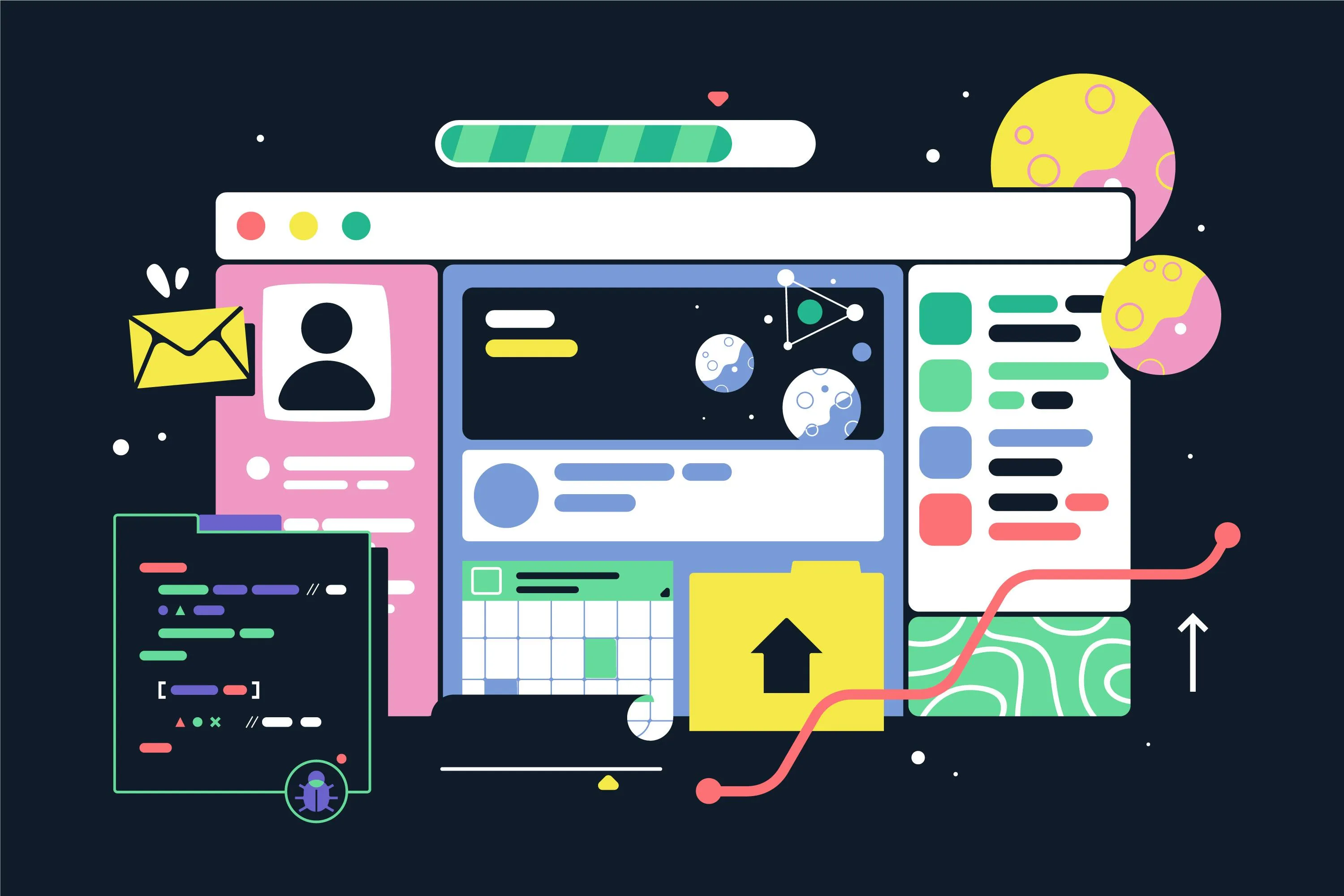
AI is part of the reason why this dynamic is changing. Through things like Figma’s MCP integration, a developer’s agent can pull design context directly from the source. AI design tools are finding their way into coding environments. This means the bridge between design and frontend is becoming easier to walk from both ends.

Lower friction changes the work
When the gap between an idea and a working interface shrinks, teams can iterate in ways that were not practical before: testing more directions, refining earlier, and building things that would have previously been too time consuming to attempt. The ceiling for what you can explore in a given week goes up. And if done correctly, so does the quality of what eventually ships.
For teams like ours, that changes the feedback loop entirely. Getting a prototype in front of real users much sooner means you can validate an idea before investing heavily in it. Proof of concept first, then perfection.
The hard part is still human
AI can generate options, but it does not generate discernment. It does not know which direction fits the product, which interaction will feel natural, or when a design is creating noise instead of solving a problem. That still takes experience and an understanding of the business model.
This matters especially in frontend, where design and implementation decisions shape each other constantly. A layout that works in Figma can fall apart when content changes. A technical constraint can point toward a better design direction. The closer design and frontend stay through that process, the stronger the result.
Still early, but already useful
The tooling is evolving fast and the best workflows are not settled yet. What is clear is that AI is a great tool, but it does not replace the experience and sensibility that good design and frontend work actually requires.
If you are figuring out how this fits into your product, we would love to talk.